
Nurturing Hands, Inspiring Minds, Fostering Fun

Hand Dominance, Pencil Grip & Writing Endurance

Pencil Grip and Handwriting: Does It Really Matter?

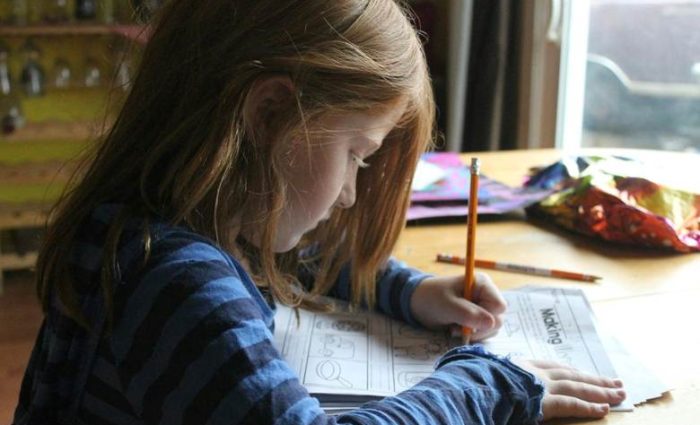
Pencil Grip and Handwriting: Does It Really Matter?A Research-Based Occupational Therapy Perspective By Irene Hannam, MS OTR/L Handwriting is a vital skill that supports communication and academic success. Parents, teachers, and therapists often notice various pencil grips among children and wonder if these grips affect handwriting performance. While some insist on a “perfect” dynamic tripod […]

From Fists to Fluidity: A Guide to Pencil Grip Development

By Irene Hannam, MS OTR/L When children first pick up a crayon or pencil, it’s typically with a clumsy fist or a tight grasp. Over time, most naturally develop more refined grips that allow them to write and draw with greater control and less fatigue. Understanding these developmental stages—and the underlying skills children need—helps parents […]

How Joint Laxity and Low Muscle Tone Affect

 Fine Motor Skills in Preschool and Kindergarten   By Irene Hannam, MS OTR/L  Introduction: Low muscle tone (hypotonia) is a condition where muscles have reduced tension or “readiness for action.” In many young learners—especially preschool and kindergarten students—hypotonia may occur alongside joint laxity (loose or hypermobile joints). This combination can make routine classroom tasks far more […]

Hand Dominance: A Practical Guide for Parents and Teachers

By Irene Hannam, MS OTR/L Hand dominance—also known as “handedness”—is a key aspect of a child’s development. As children grow, the brain gradually designates one hand as the “dominant” or more skilled hand for precise tasks such as writing, cutting with scissors, and drawing. This blog post will explore hand dominance, when it is typically […]
Cart
  • Your cart is empty Browse Shop