




Motor Planning Made Simple: Recognizing and Supporting Children in the Classroom
By Irene Hannam, MS OTR/L
Have you ever wondered why some children struggle to tie their shoelaces, write neatly, or participate in sports while others seem to pick up these skills effortlessly? These children may have motor planning difficulties—a critical component of child development. This article will explore motor planning, how to recognize potential difficulties in children and strategies that parents and educators can use to support students in and out of the classroom.
What Is Motor Planning?
Motor planning refers to the brain’s ability to conceive, organize, and carry out a sequence of unfamiliar actions. According to Arham and Mailloux (2015), it is closely tied to sensory integration, which involves how the central nervous system receives and processes information from the senses to inform and guide movement. Motor planning is sometimes called praxis and involves taking an idea (e.g., wanting to jump) and converting it into a coordinated, purposeful movement (e.g., bending the knees, pushing off, and landing).
The Motor Planning Process:
- Ideation: Formulating the idea of what needs to be done.
- Planning: Organizing the specific steps, muscle actions, and spatial requirements.
- Execution: Performing the task in a smooth, coordinated manner.
- Feedback and Adaptation: Evaluating the outcome and making adjustments as needed.
Challenges with these stages can lead to noticeable difficulties in everyday tasks.
How Motor Planning Affects School Functioning:
When a child experiences motor planning difficulties, challenges may arise in:
1. Fine Motor Skills
- Handwriting: Children with motor planning difficulties may struggle to form letters consistently, maintain letter/word spacing and legibility, or keep pace with classroom note-taking.
- Cutting and Pasting: Using scissors or manipulating paper for art projects can be challenging and time-consuming.
- Manipulating Small Objects: Tasks such as using classroom tools (e.g., rulers, sharpeners, glue sticks) may require extra effort and time.
- Difficulty with Dressing: Struggling with tasks like buttoning, zipping, or tying shoelaces.
- Difficulty Using Utensils: Struggling with a spoon, fork, and knife for meals or snacks.
- Frustration with New Tasks: Giving up easily when faced with unfamiliar activities.
2. Gross Motor Skills
- Physical Education: Difficulty following multi-step movement sequences in sports or games.
- Playground Activities: Awkwardness or hesitancy when running, hopping on one foot, skipping, climbing, jumping, catching a ball, or playing games.
- Posture and Balance: Slouching at desks or having trouble sitting upright for extended periods.
- Delays in meeting developmental milestones such as walking.
- Frequent Hesitation: Long pauses before initiating a movement or task.
- Clumsiness: Bumping into objects or tripping when navigating hallways and the classroom, frequently dropping items.
3. Sequencing and Organization
- Following Instructions: Struggles with multi-step directions, requiring frequent reminders.
- Task Completion: May start tasks but not finish them due to poor planning or frustration.
- Time Management: Difficulty estimating how long tasks will take.
- Reliance on Familiar Routines: Preferring repetitive, well-known tasks and resisting changes to routine.
- Organization: May have difficulty with organizing belongings.
4. Social Interaction
- Group Activities: May avoid or become anxious about collaborative projects requiring coordinated movements.
- Peer Relationships: Frustration or embarrassment can lead to social withdrawal or behavioral issues.
- Communication: Gestures or physical demonstrations of ideas may be disorganized or unclear.
When a student has ongoing motor planning challenges that significantly impact their ability to learn or perform everyday tasks, it is often referred to as dyspraxia or Developmental Coordination Disorder (DCD). Consulting an occupational therapist may be advisable if these challenges persist and significantly affect daily functioning or school performance.
Activities and Strategies for Parents and Teachers:
Providing supportive, engaging, and consistent practice can help children overcome many motor planning challenges. Below are some suggested activities and strategies:
1. Encourage Repetition and Gradual Complexity
- Break Down Tasks: Simplify tasks into smaller, step-by-step components (e.g., for tying shoelaces: loop, pinch, pull).
- Use Visuals: Post step-by-step pictures or diagrams for activities like dressing or washing hands.
- Task Practice: Encourage short, frequent practice sessions rather than long, intensive ones.
- Model Each Step: Demonstrate how to perform each part of the task before having the child attempt it.
2. Use Structured Play and Movement Games
- Simon Says: Encourages children to follow verbal instructions and plan movements simultaneously.
- Yoga, Hopscotch, Freeze Dance: Enhances body awareness, balance, and the ability to start/stop on command.
- Animal Walks (e.g., Crab, Bear): Build coordination and strengthen core muscles.
- Balancing: Practice walking along a line, stepping stones, or a balance beam.
- Wheelbarrow Walking: Develops upper-body strength and coordination.
- Obstacle Courses: Incorporate multiple movements (e.g., log rolls, animal walks, yoga poses, jumping jacks, wheelbarrow walking, climbing) to practice sequencing.
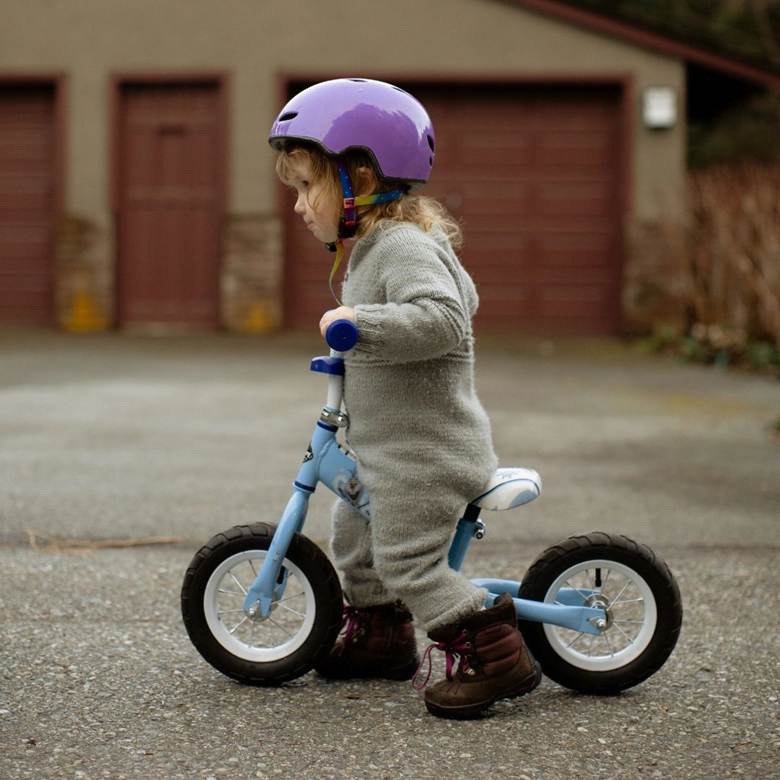
- Riding a Bike: Improves overall coordination and body awareness.
- Eye-Hand Coordination: Use Velcro mitts for catching, bounce-and-catch a ball, balloon tapping, bean bag games, or bowling.
- Extracurricular Activities: Use Velcro mitts for catching, bounce-and-catch a ball, balloon tapping, bean bag games, or bowling.
3. Promote Fine and Visual Motor Skills
- Finger or Rhythm Tapping/Clapping: Practice tapping sequences on the table (e.g., thumb-index, thumb-middle, etc.).
- Beading Activities: Threading beads or pasta onto a string to refine hand-eye coordination.
- Play with Clay, Therapy Putty, or Playdough: Rolling, pinching, or shaping helps strengthen hand muscles and improve dexterity.
- Musical Instrument: Learn to play an instrument.
- Visual Motor Skills: Guided drawings, coloring, painting, mazes, and connecting dot activities.
4. Foster a Supportive Environment
- Positive Reinforcement: Celebrate small achievements to build confidence.
- Be Patient: Acknowledge that additional time and support are needed for certain tasks.
- Consistent Routines: Predictable schedules reduce anxiety and help children feel more in control.
5. Collaborate with Professionals
- Occupational Therapy: An OT can provide an in-depth assessment and individualized exercises.
- Communication: Regularly share observations between home and school to ensure consistent strategies.
- Educational Accommodations: Request or implement classroom adjustments such as extra time for tasks, modified seating, or alternative ways to complete written assignments.
When to Seek Assistance:
If motor planning challenges significantly impact a child’s daily life and academic performance, talk to your pediatrician and/or seek the assistance of an occupational therapist. Occupational therapists (OTs) specialize in assessing and treating fine motor, gross motor, sensory, and visual motor/perceptual skills. Collaborating with a qualified OT can lead to personalized strategies that target each child’s unique needs.
- Occupational Therapy Evaluation: An OT can perform standardized assessments to determine specific areas of difficulty.
- Individualized Intervention Plans: Customized programs may include sensory integration techniques, task-specific training, and adaptive strategies.
- Ongoing Collaboration: Regular communication between parents, teachers, and therapists ensures consistent support across home and school settings. If motor planning significantly impacts your child’s academic success, request an intervention meeting with your school to ensure they receive the support they need in the classroom setting.
Conclusion:
Motor planning is integral to a child’s ability to learn, adapt, and grow in the school environment and beyond. Parents and teachers can help children build confidence and independence by understanding these challenges and implementing supportive activities. Early recognition and intervention pave the way for skill development and a more positive academic experience.
References:
- American Occupational Therapy Association (AOTA).
- Ayres, A. J. (1972). Sensory Integration and Learning Disorders. Los Angeles: Western Psychological Services.
- Wilson, P. H. (2005). Practitioner review: Approaches to assessment and treatment of children with DCD: An evaluative review. Journal of Child Psychology and Psychiatry, 46(8), 806–823.
- Piller, A. (2021). Effectiveness of outpatient OT interventions to improve motor skills for children with somatodyspraxia. The American Journal of Occupational Therapy,
By acknowledging and addressing motor planning difficulties, we empower children to reach their full potential—academically, socially, and emotionally. With the right tools and understanding, every child can find success in and out of the classroom.
About the Author
Irene Hannam is a licensed occupational therapist with over 25 years of experience working with children in educational settings. She is passionate about helping children thrive in school and daily life through targeted interventions and compassionate support.
Prewriting Skills Resource: Please refer to https://www.teacherspayteachers.com/Product/Master-Prewriting-Skills-for-Handwriting-Success-Preschool-12787738